Stories of people, places and objects at the Vorres Museum: from tradition to contemporary creation

Panel discussion / round table
Information
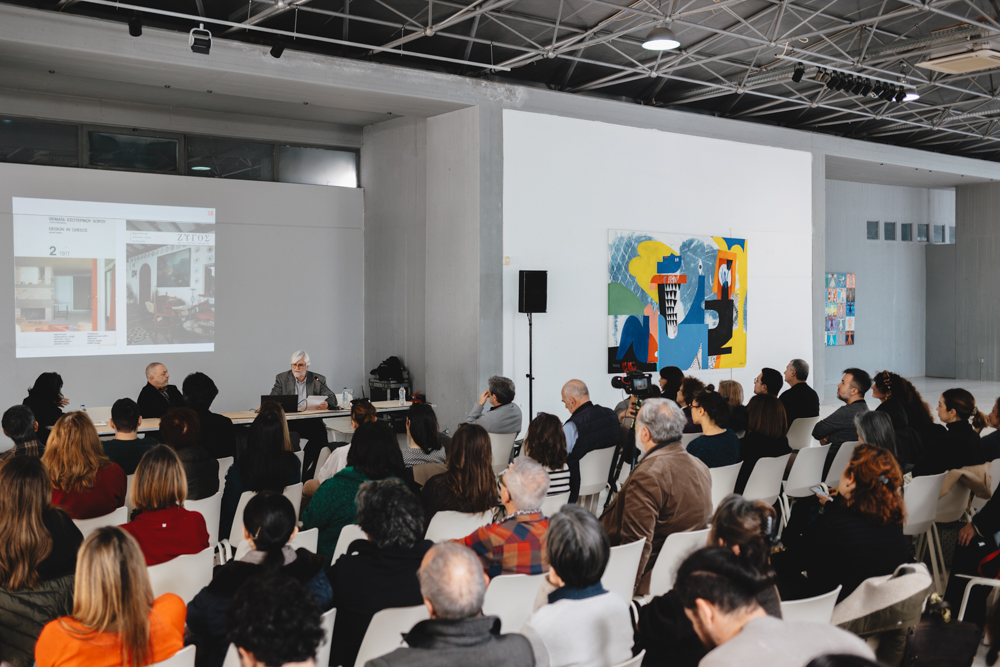
Stories of people, places and objects at the Vorres Museum: from tradition to contemporary creation
Panel discussion / round table
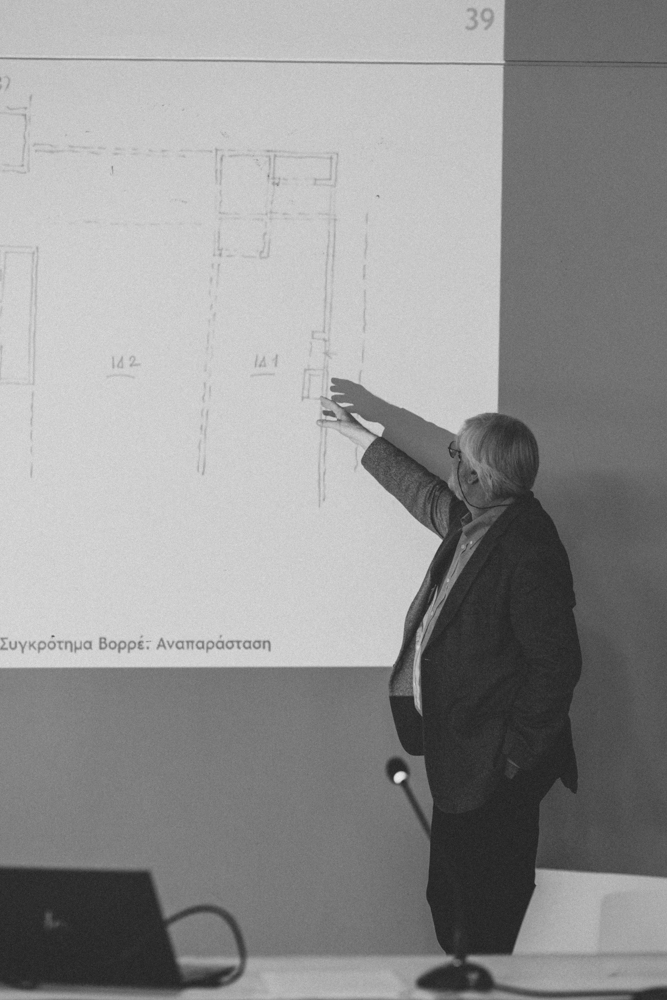
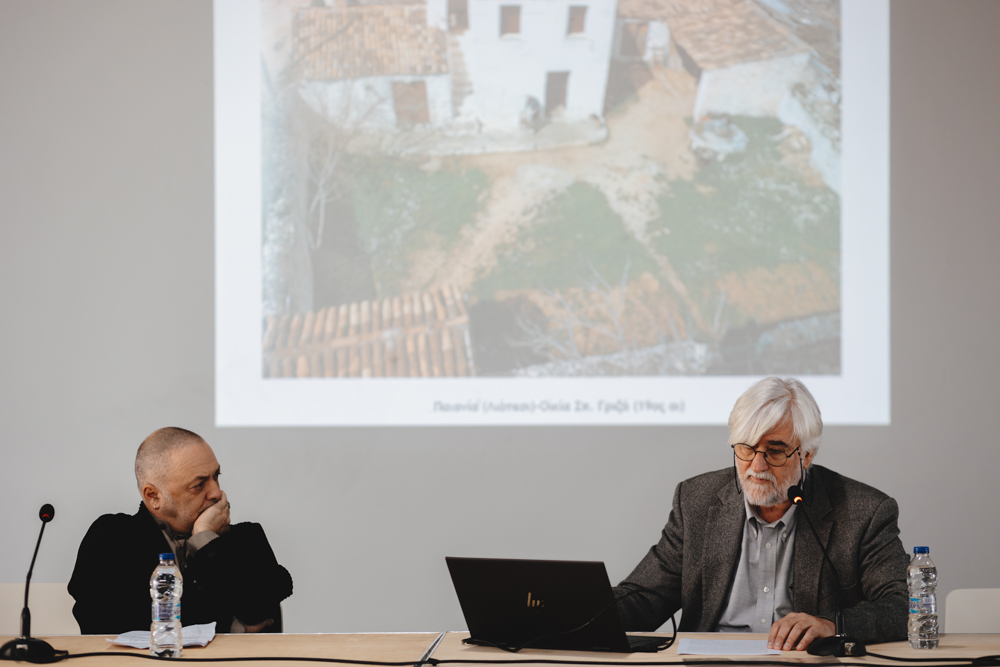
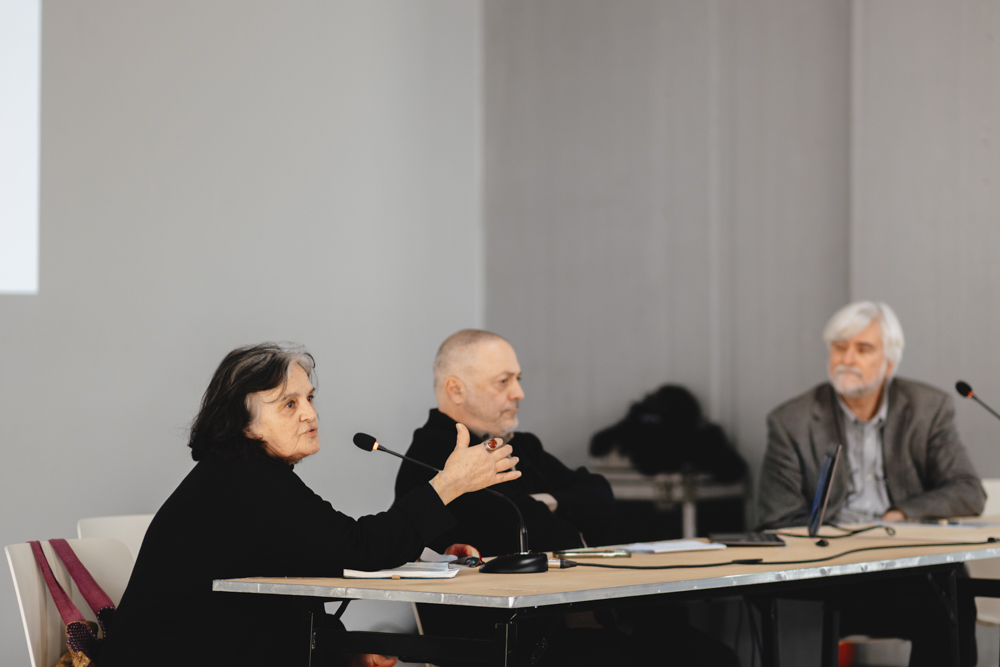
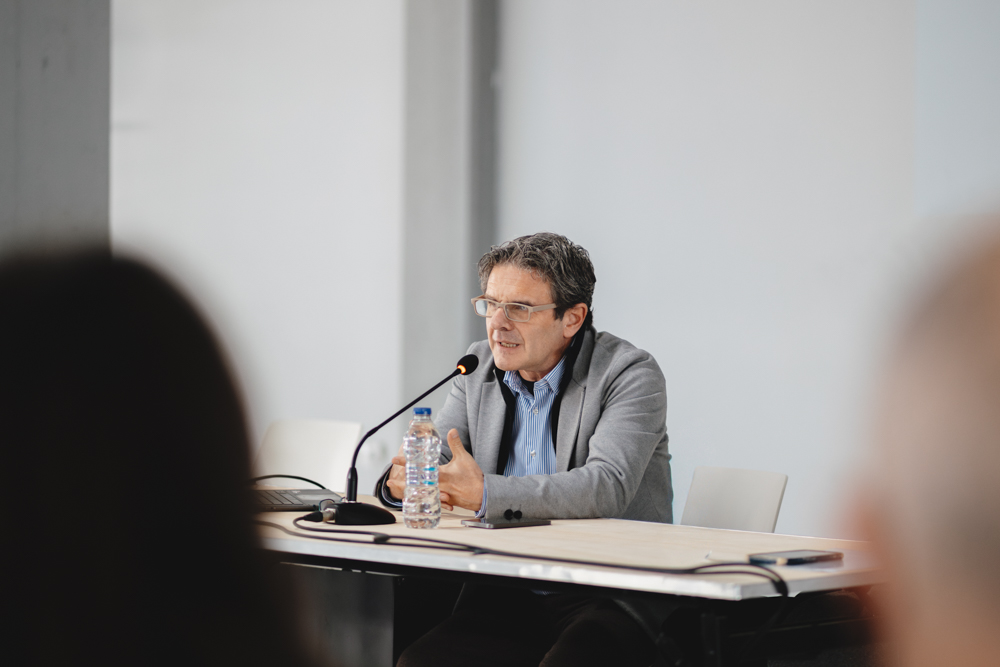
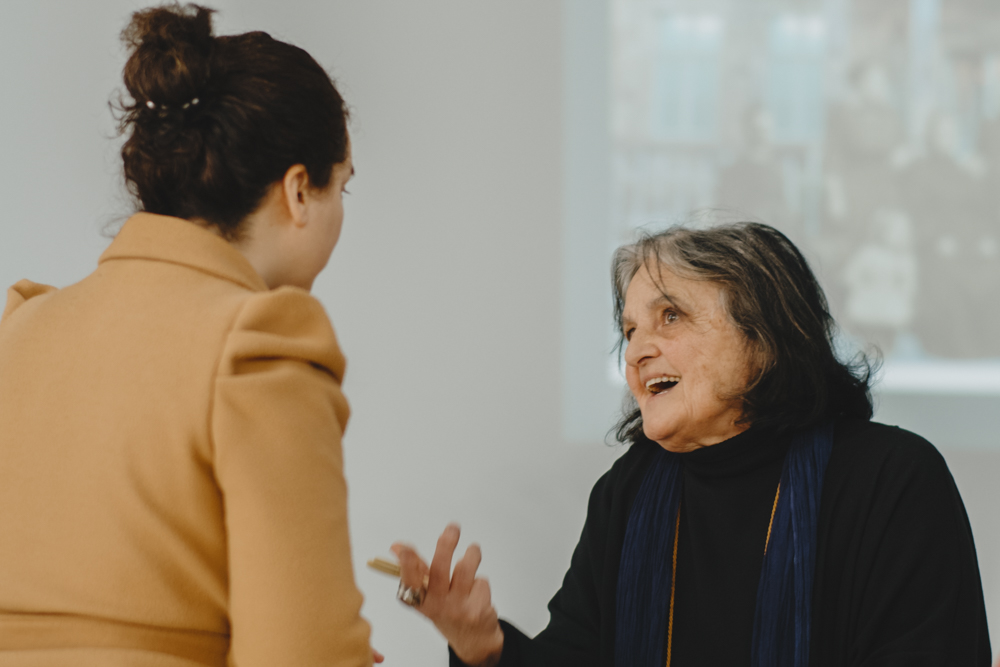
Speakers: Angeliki Giannakidou, Yiannis Ghikas, Stavros Mamaloukos, Nikos Papadimitriou
Date: Saturday, March 7, 2026
Time: 12:00–14:00
Admission: Free entry
This workshop is part of the museum’s new educational series “Materials, Techniques and Memory in Contemporary Creation: The Garden and the Tower of the Vorres Museum as Carriers of Cultural Heritage.”
Educational program design/curation: Myrto Lavda


Getting here
Find directions to the Vorres Museum (map, public transport and parking information) at the link below.
Bio
Angeliki Giannakidou, Founder & President of the Ethnological Museum of Thrace (EMTh)
Born in Agios Nikolaos, Halkidiki in 1947, Angeliki Giannakidou has lived in Alexandroupoli since 1967. A graduate of the Pedagogical Academy, she has dedicated more than 50 years to the systematic research of Thracian culture. In 2002 she founded the Ethnological Museum of Thrace (https://emthrace.org/), a living institution highlighting history and culture, the networks of communication among people, engaging in dialogue with memory of place and creativity.
She has authored numerous books, edited publications and delivered lectures throughout Greece. In addition, she has created temporary exhibitions and 25 documentaries with ethnological and anthropological content. For decades she has been active in Thrace as a mentor and educator of women, focusing on craftsmanship and traditional embroidery. As General Director, she shaped and implemented cultural policy with key pillars being the creation of a network of rural museums in Evros, the promotion and transmission of traditional skills, and the redefinition of communities’ relationship with their place. Her recent initiative, the Network of Craftspeople “Riza,” is an interdisciplinary platform connecting culture, contemporary creation and the local economy.
She is the lead designer of all creations both for Riza and for the museum shop. Her contribution has been honored by the Benaki Museum (2015), UNESCO (2021), Gastronomos (2023) and the President of the Hellenic Republic with the Golden Cross of the Order of Beneficence. She is a member of the Crafting Greece working group under the auspices of the General Secretariat for Greeks Abroad and Public Diplomacy of the Ministry of Foreign Affairs. And President of the Hellenic National Commission for UNESCO Committee on Intangible Cultural Heritage since 2025. The Ethnological Museum of Thrace, among 13 European Museums, was awarded Special Distinction at the DASA Award of the European Museum Academy for its innovative approach to Museum Education (2025).
Yiannis Ghikas, Designer
Yiannis Ghikas was born in Athens. His academic background combines Computer Science and Design. Ghikas uses functionality as the ultimate purpose of his designs/creations, while at the same time exploring the possible emotional responses they can evoke. He perceives design as a process that satisfies both material and immaterial needs.
The Monarchy stool was honored with the Red Dot Design Award (2009) and the German Design Award (2016).
The Soda tables for the Italian company Miniforms, made entirely of blown Murano glass, immediately attracted the interest of the international design world and received the Archiproducts Design Award, the Azure Magazine Award and the Dezeen Design Award 2021. In addition, they were selected for the ADI Index and were nominated for the Compasso d’Oro 2022.
In 2018 he was selected to participate in a three-month design residency program in Arita, Japan, where he collaborated with the local community of ceramic artisans — an experience particularly valuable, not only in terms of design but also cultural exchange.
He has collaborated with companies and organizations such as Objekten (Belgium), Miniforms (Italy), Hiro (Italy), Convex (Greece), Sarantis Group (Greece), the Industrial Gas Museum / Athens, Biocidetech (United Kingdom) and Marubun (Japan). His work has been presented in exhibitions internationally.
Stavros Mamaloukos, Architect – Conservation Specialist, Professor at the Department of Architecture, University of Patras
Stavros Mamaloukos was born in Elefsina in 1960. He completed his undergraduate Architectural Studies at NTUA (1978–1984) and postgraduate studies (MA in Conservation Studies) at IoAAS University of York, UK (1988–1989) as a scholar of the Hellenic Society. In 2001 he completed his doctoral dissertation entitled: “The Katholikon of the Vatopedi Monastery. History and Architecture” at NTUA.
His academic activity moves within the fields of research and study of Byzantine and post-Byzantine architecture, medieval and early modern fortifications, modern architecture and urban planning, pre-industrial technology and the conservation and restoration of monuments and ensembles, three of which have received Europa Nostra awards.
In 1989 he founded, together with his wife Anastasia Kampoli, an Architectural Office with main focus on monument restoration. Within his professional activity he has participated in the preparation and implementation of numerous conservation and restoration projects of monuments, as well as in the design of new buildings of special, usually ecclesiastical, use and the design of outdoor spaces.
Since 2005 he has been teaching at the Department of Architecture of the University of Patras, where he has been Full Professor since February 2023. Since the academic year 2008–2009 he has also been teaching in the Interdepartmental – Interuniversity Postgraduate Program “Monument Management: Archaeology, City and Architecture” organized by the Department of History and Archaeology of the University of Athens, the Department of Architecture of the University of Patras and the Department of Cultural Technology and Communication of the University of the Aegean.
Nikos Papadimitriou, Director of the Pavlos and Alexandra Kanellopoulos Museum
Nikos Papadimitriou is Director of the Pavlos and Alexandra Kanellopoulos Museum (www.camu.gr). He studied archaeology and art history at the University of Athens and completed postgraduate and doctoral studies in archaeology and ancient history at the University of Birmingham (England) with a scholarship from IKY.
He has worked as curator of antiquities at the Museum of Cycladic Art and the Department of Antiquities of Cyprus (2003–17), while between 2018 and 2021 he was lecturer at the Institute of Classical Archaeology of the University of Heidelberg (Germany). His research focuses on issues of ritual and memory in antiquity, ancient technology and intercultural contacts in the Mediterranean, while he specializes in the archaeology of Athens and Attica. He has an extensive publication record and has organized conferences and exhibitions in Greece and abroad.
During this period he co-directs archaeological research programs in Marathon and Thorikos in Attica and Kato Samikon in Ilia.
For his research work he has received fellowships from the Centers for Hellenic Studies of Princeton and Harvard Universities.